

About Acupuncture & East Asian Medicine
As a complex medical system, Traditional East Asian Medicine has treated and prevented illness for thousands of years. This system of healing approaches the patient as a “whole” being, composed of body, mind, and spirit, and strives to achieve a balance between nature and the two mutually interdependent forces of yin and yang. It also directly treats physical problems and musculoskeletal imbalances.
East Asian Medicine incorporates Acupuncture, Herbology, nutrition, and lifestyle counseling to achieve and maintain optimum health and prevent illness, In addition to Acupuncture, additional modalities are available to further enhance the healing process, including moxibustion, herbal supplementation, cupping, electroacupuncture, and massage techniques.
Acupuncture and East Asian Medicine is effective, safe and compatible with all other medical systems of health care. Careful examination and assessment assures you safety and efficacy. In the State of Alaska, Licensed Acupuncturists are required to have graduated from an accredited school of Acupuncture and be NCCAOM Nationally board certified. Licensure is gained through the Division of Occupational Licensing, maintained every two years with required continuing education.
Acupuncture
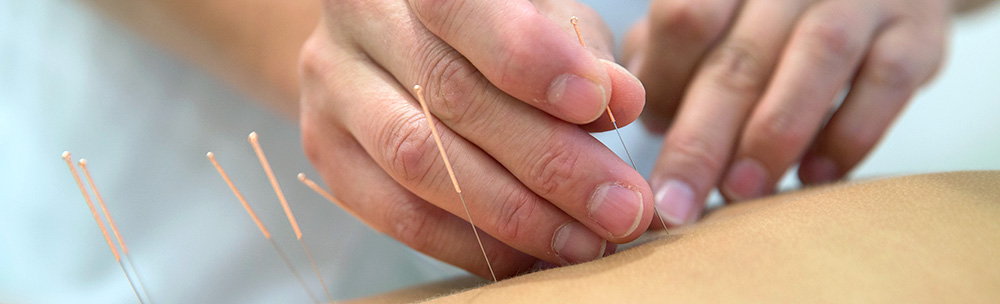
The practice of Acupuncture stimulates specific points on the body by the insertion of very small sterile filiform needles. Acupuncture points along particular meridians are used to activate the body’s own energy to facilitate healing. Both the root cause, as well as the symptoms of the condition are addressed in an effort to restore the body’s natural flow of energy or balance. Myofascial trigger points are regularly used in Acupuncture treatments to reduce pain and restore function.
The insertion of Acupuncture needles has been shown to stimulate the release of several naturally occurring substances. One of these is cortisol, a hormone known to improve the body’s response to stress. There are also two powerful opiate-like neurotransmitters known as endorphins and enkephalins, that when activated modify the physical response to pain. Thirdly, the release of “substance P” is essential in the body’s ability to deal with pain. All of this has been shown to increase circulation to the affected areas of the body producing an anti-inflammatory response and healing in damaged tissues.
Patients experience a good sense of well-being, ability to manage stress better, improved sleep, cognition and health of organs, muscles and tissues.
Chinese Herbal Medicine
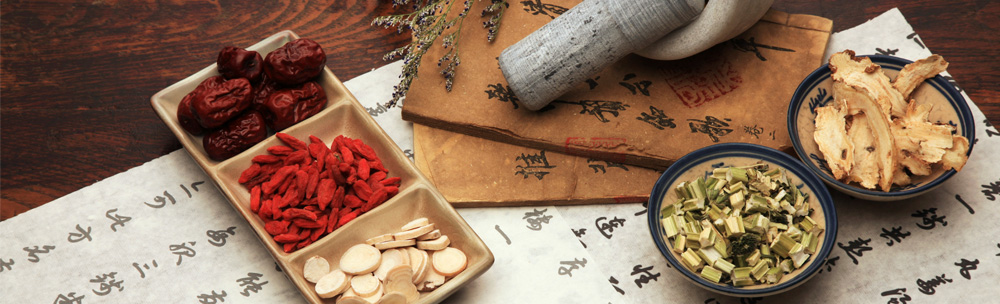
East Asian Medicine also incorporates a traditional system of herbal medicine that focuses on the specific individual needs of the person. Chinese herbal formulas are effective and safe. They come in many forms including teas decocted from raw herbs, prepared pills and tablets, powders or granules, and liquid tinctures. There is a rich tradition of empirical evidence as well as modern scientific research to support the appropriate use of Chinese herbs.
Moxibustion
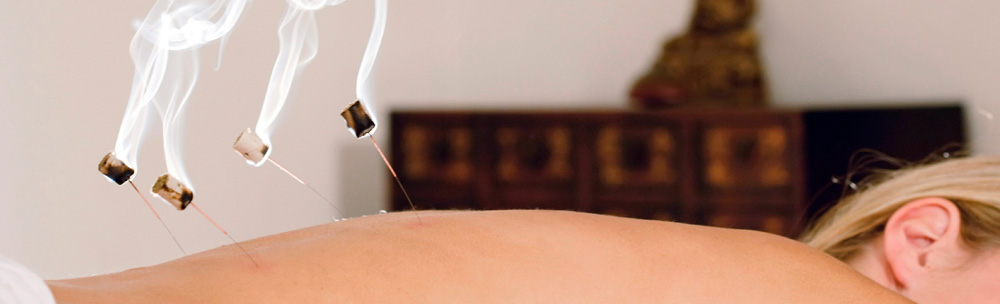
Moxibustion is a traditional method of applying heat over Acupuncture points to relieve tension and invigorate cold areas of the body. It has been shown to boost the immune system and bring balance to the nervous system. Artemisia argyi (ai ye), a species of mugwort, is applied to warm the Acupuncture points until a pleasant warmth is felt.
Electrical Stimulation
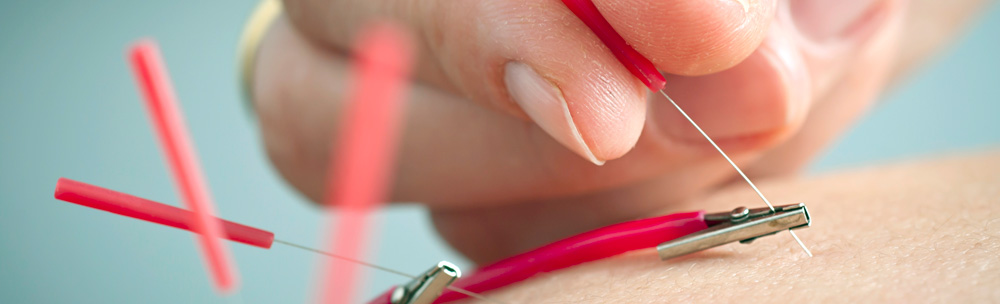
Low level electrical current may be connected to the needles and adjusted until a sensation is felt. Electro-acupuncture stimulator units enhance point stimulation for treatment of pain. The frequency and strength of the electric pulse can be varied to achieve the desired effect for each patient.
Tui Na
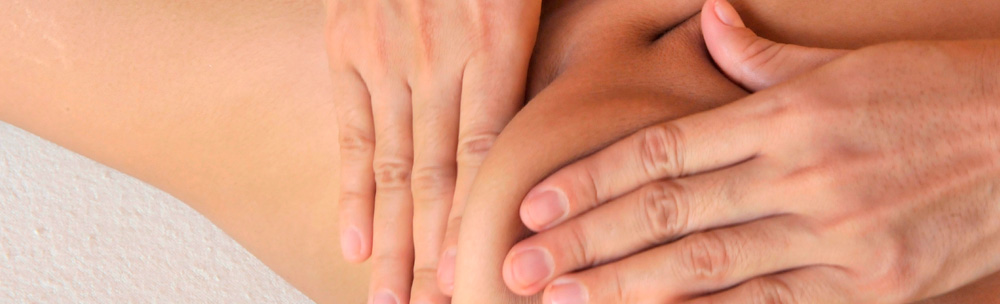
This style of therapeutic massage incorporates grasping, pressing and precise rubbing methods used to stimulate Acupuncture points, manipulate the soft tissues and enhance the flow of energy throughout the body. The versatility of Tui Na allows for effective treatment of musculoskeletal and internal disorders for adults and children.
Gua Sha
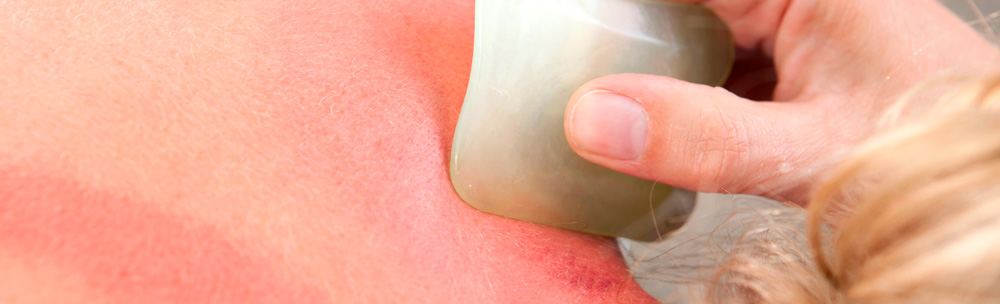
Gua Sha is an ancient deep massage technique commonly used on the back to release acute and chronic pain and tension from the muscles and myofascia. Medicinal oils and linaments are often applied to further enhance the circulation of blood and Qi.
Cupping
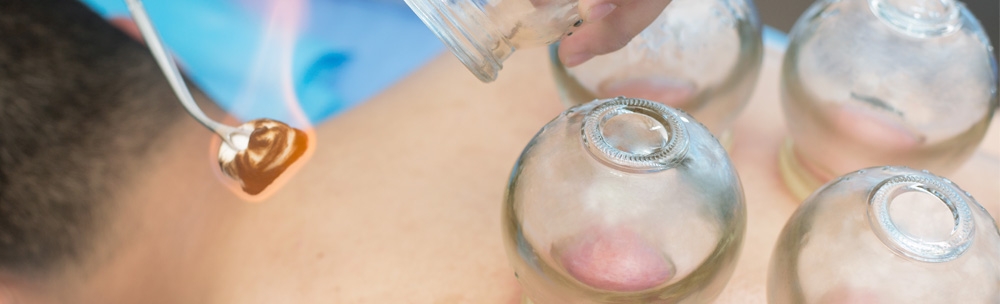
To increase the flow and circulation of Qi and blood, glass globes are applied to the skin over Acupuncture points. The cups create a vacuum suction to move stagnate Qi and blood to the surface of the skin to help restore smooth flow of Qi and blood to the affected area, so it receives nutrients and oxygen to help in healing.
Diet Therapy
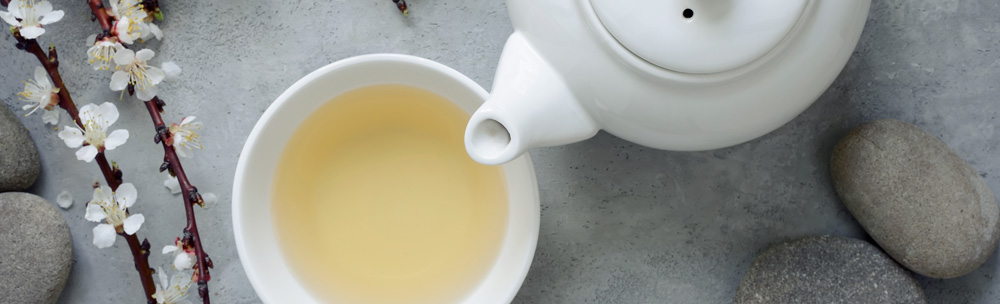
All Traditional Cultures have long recognized that proper nutrition is essential in maintaining health and vitality. East Asian Medicine can provide a careful analysis of diet with recommendations specific to each individual person.
Qigong & Tai Chi
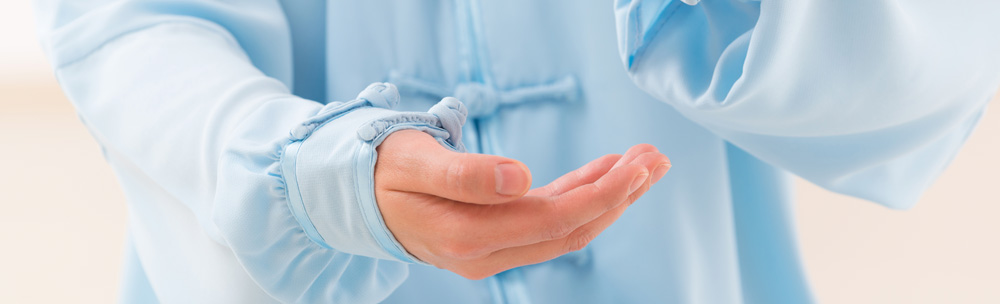
Meditation, focused movement, and breathing techniques are tools to heighten the awareness of the connection between the mind, body and spirit. A practitioner may recommend a few simple exercises to teach healthy movement and activity known for long lasting vitality.